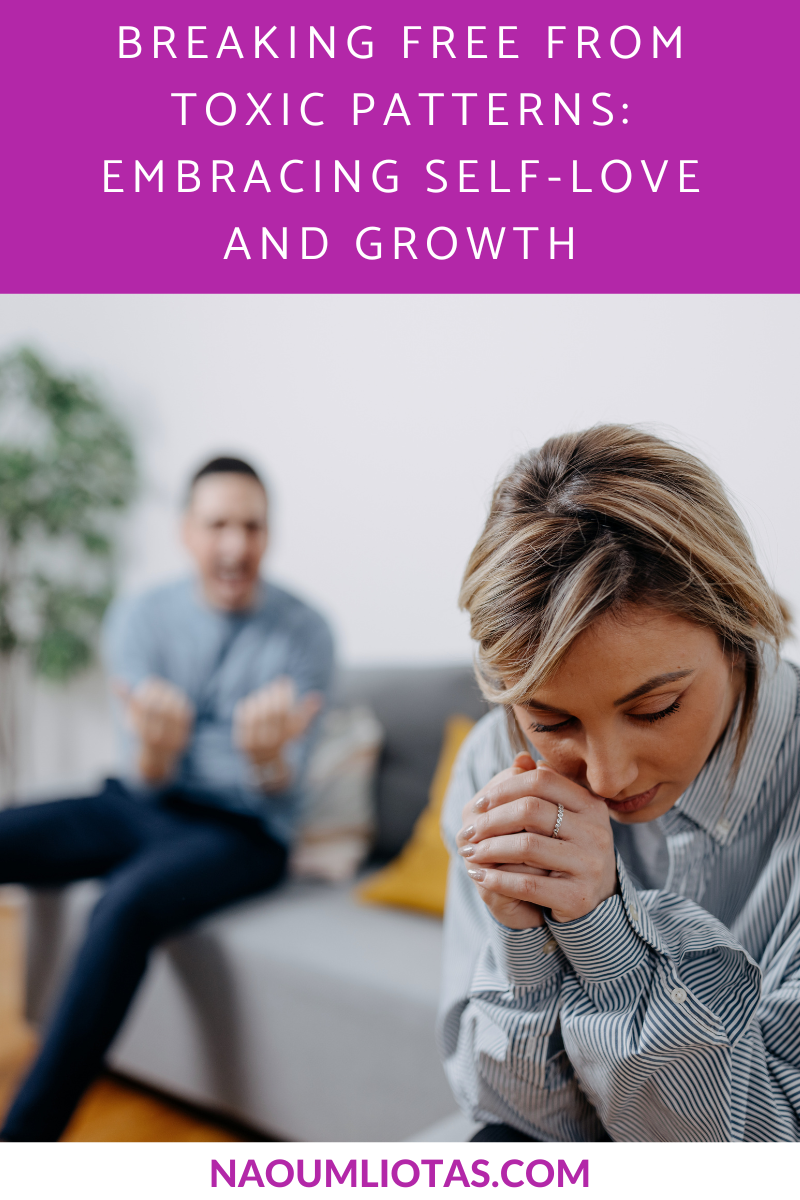
Understanding Toxic Patterns in Relationships
Toxic relationships can leave us feeling drained, confused, and stuck in a cycle of emotional turmoil. But what makes a relationship toxic? At its core, a toxic relationship is one where patterns of control, manipulation, emotional neglect, or abuse become dominant. These dynamics can emerge in romantic partnerships, friendships, and even family relationships. Toxicity often feeds on insecurity, past wounds, and unconscious behaviors, making it difficult to recognize and escape. In the current article, we will see what forms toxic behavior. We will also explore how to break free from toxic relationships.
The Poison of Toxicity: Metaphors for Harmful Relationship Patterns
Think of a relationship as a flourishing garden. Love, trust, and respect are the soil, water, and sunlight that help it grow. Toxicity is the unseen pollutant that gradually poisons the roots. This poison might not be instantly fatal, but over time, it stunts growth, withers leaves, and saps vitality. The longer we ignore it, the harder it becomes to restore the health of the garden.
Similarly, a toxic relationship can be like drinking from a contaminated well. At first, it may seem like nourishment, but each sip introduces subtle harm. Over time, this toxicity seeps into our self-worth, our confidence, and even our ability to trust others and ourselves. Eventually, we will need to muster up our resources and break free from toxic relationships.
The Co-Creation of Toxic Patterns
It is often tempting to view toxicity as something imposed by the other person, but relationships are co-created. Even in unhealthy dynamics, both parties play a role—consciously or unconsciously—in sustaining the pattern. This doesn’t mean blame should be equally distributed. Especially in cases of abuse, understanding our role in a toxic relationship can be empowering. It is also critical to understand our contribution to break free from toxic relationships.
For example, a person raised in a household where love was conditional might unknowingly tolerate emotional neglect in their adult relationships. Someone accustomed to pleasing others at their own expense may struggle to set boundaries. Recognizing these tendencies is a crucial first step toward being able to break free from toxic relationships.
What is Codependency?
Codependency is one of the most common ways toxic patterns manifest. It refers to a dynamic where one person becomes excessively reliant on the other for validation, identity, or emotional stability. This often leads to a cycle of enabling unhealthy behaviors and self-neglect.
A classic example of codependency might be someone staying in a toxic relationship because they fear being alone, despite recognizing the negative impact on them. The need to be needed, to fix, or to be the source of another’s happiness can lead to self-sacrifice at the cost of personal well-being. It ultimately prevents one from being able to break free from toxic relationships. You can learn more about codependency from Pia Mellody in this youtube video.
Narcissistic Adaptations in Toxic Relationships
One pattern that can emerge in toxic relationships is the narcissistic adaptation. Narcissism, in this context, doesn’t necessarily mean full-blown Narcissistic Personality Disorder (NPD), but rather a coping mechanism where a person prioritizes their own needs at the expense of others.
For example, a narcissistic partner might manipulate through gaslighting—making their partner doubt their own reality—or through love-bombing followed by devaluation. Their need for control can create an environment where the other person is constantly walking on eggshells, afraid of triggering outbursts or emotional withdrawal. If you are interested, you can learn more about this by heading to Terry Real’s episode on grandiosity and narcissism, especially in men.
Borderline Adaptations and Fear of Abandonment
On the other end of the spectrum, individuals with borderline traits may struggle with an intense fear of rejection and abandonment. This can lead to extreme emotional swings and manipulative behaviors driven by anxiety.
For instance, a person with borderline tendencies might alternate between idealizing their partner and pushing them away, fearing that getting too close will result in inevitable pain. Their emotional turmoil can create instability in the relationship, making it difficult to maintain healthy boundaries.

Embracing Self-Love and Growth
To break free from toxic relationships, one must start by cultivating self-love. But what does self-love truly look like?
- Setting Boundaries: Healthy relationships need clear boundaries. Learning to say “no” without guilt is essential to protecting one’s emotional and mental well-being.
- Recognizing Red Flags: Trust your instincts. Spot patterns of manipulation or emotional neglect. This is key to preventing further entanglement in toxic dynamics.
- Healing Past Wounds: Many toxic patterns stem from unresolved childhood experiences. Therapy, coaching, or inner work can help process these wounds and prevent their repetition.
- Developing Emotional Independence: Learn to self-soothe. Validate your emotions. Cultivate a strong sense of self. These actions reduce dependency on others for happiness.
- Practicing Compassionate Self-Talk: Replacing self-criticism with kindness and understanding fosters resilience and self-worth.
A Call to Action: Your Journey to Healing Starts Now
To break free from toxic relationships, you need to see and break free from toxic patterns. And breaking free from toxic patterns, isn’t just about ending harmful relationships—it’s about transforming the way you engage with yourself and others. If you recognize these dynamics in your life and want support in navigating them, consider doing something to support yourself. One way to do that is by booking a session with me. Alternatively, you can message me through the contact form on this site. Together, we can explore healthier ways of relating, develop strategies for self-growth, and cultivate relationships that nurture rather than deplete.
Start your journey today—because you deserve a life filled with love, respect, and authenticity.

